



12 May 73,000 charging points: Italy’s EV infrastructure in 2026
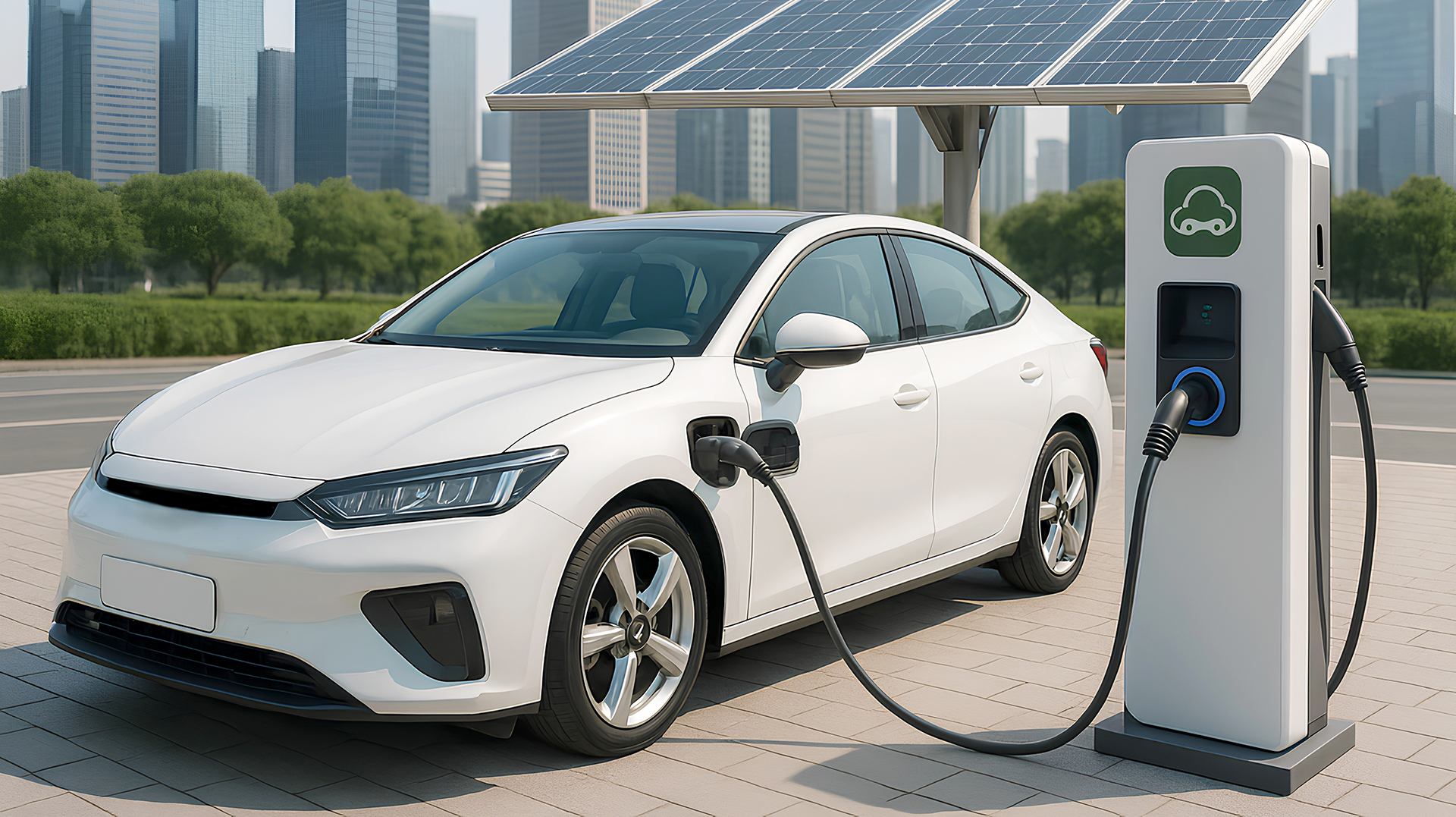
A number that would have sounded like science fiction just a few years ago. 73,000 public charging points spread across the country. And yet, looking more closely at the data, the feeling isn’t one of arrival but it’s one of acceleration. Italy’s electric mobility sector is moving fast. Those who don’t keep up risk being left behind.
In this article you’ll read about:
- Italy’s electric boom: the numbers rewriting the narrative
- Red tape,tenders and fleets: the challenges still ahead
- By your side since 2011: Loginet’s role in building what’s next
Italy’s electric boom: the numbers rewriting the narrative
Italy’s public charging network is growing and surprising. At Key Energy in March 2026, Motus-E presented its annual report, developed in collaboration with GSE and RSE: as of 31 December 2025, Italy had 73,047 public charging points installed nationwide.
But it’s not just about volume, the quality of the network is shifting too. 62% of charging points installed in 2025 are fast or ultra-fast.
Demand is keeping pace: in March 2026, electric vehicle registrations reached 16,033 units, an all-time record.
These figures challenge the narrative of a country still lagging on electric mobility. In fact, when compared across Europe, Italy ranks ahead of France, Germany and the United Kingdom in the ratio of charging points to registered electric vehicles.
Red tape, tenders and fleets: the challenges still ahead
Behind the numbers, real obstacles remain. Three fronts are still open:
- Installed but inactive charging points
15% of installed infrastructure is still not accessible to the public. Lengthy permitting processes and difficulties connecting to the grid on the part of local distributors are leaving thousands of already-installed charging points effectively switched off.
- Motorways missing their targets
Serious delays in the publication of tender notices by several motorway concessionaires have prevented Italy from meeting the targets set by the European AFIR Regulation, raising the concrete risk of infringement proceedings against the country.
- Corporate fleets stalling
In the first semester 2026, the corporate fleet channel recorded a -18.4% drop compared to the same period in 2025, a result that sits in stark contrast with record private registrations. According to Motus-E president Fabio Pressi, what’s needed is a deep structural overhaul of fleet taxation: in Italy, company cars continue to be penalised, while abroad they represent a decisive driver of EV adoption.
Corporate fleets remain the lever the entire sector is counting on for a turnaround and with it, growing demand for dedicated charging infrastructure: at offices, depots, warehouses and private car parks.
By your side since 2011: Loginet’s role in building what’s next
As Motus-E president Fabio Pressi put it: “An awareness of the sector’s dynamics on everyone’s part and genuine cooperation between the public and private actors involved in this great technological transition is absolutely essential.”
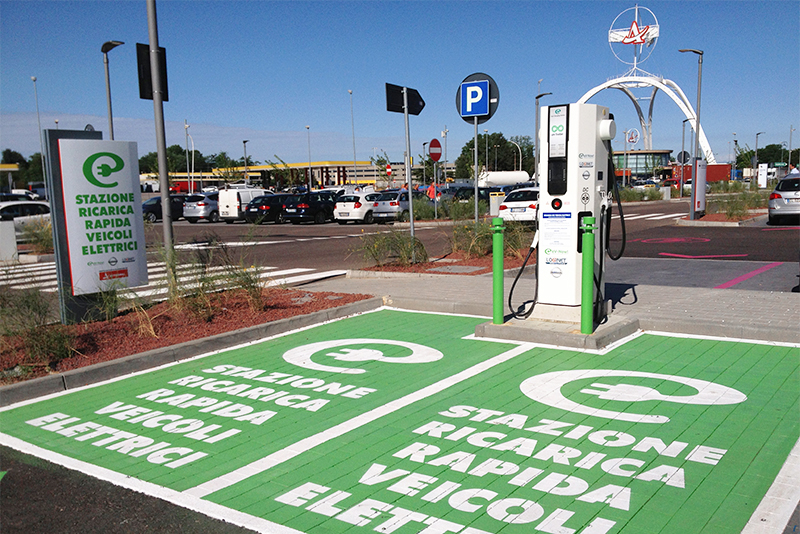
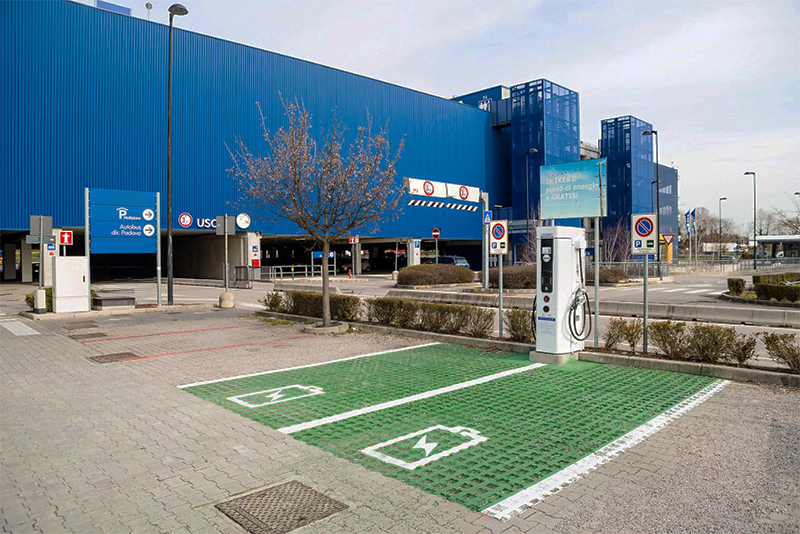
That cooperation is what we at Loginet put into practice every day. Active in the electric mobility sector since 2011, among the first in Italy to recognise charging infrastructure as a strategic asset, we support companies, fleet managers and parking operators at every stage of their project: from permitting and designing, through installation and commissioning, to ongoing support and maintenance. One point of contact, from the first meeting to the final sign-off.
We don’t sell charging stations: we build infrastructure that actually works. The proof is in the projects we’ve delivered across Italy for partners including Tesla, IKEA and Autostrade per l’Italia, just some of the work you’ll find in our case history.
Have a charging project in the pipeline? Get in touch for a free consultation: we’ll assess your situation together and tell you exactly what you need.
