




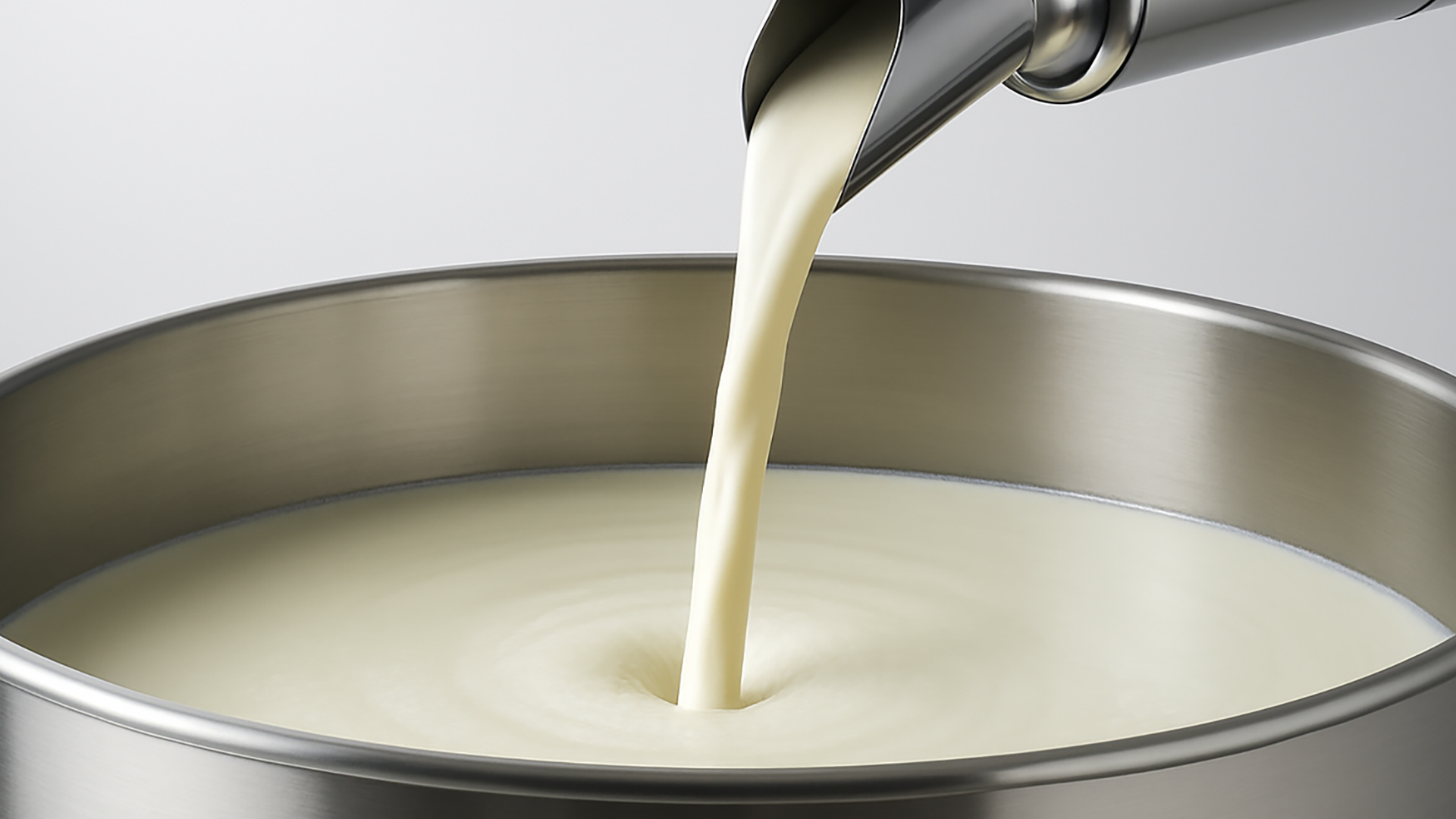
16 Jun Storage of Liquid Food Products: Logistics, Regulations, and Safety
The food industry is undergoing a significant transformation, driven by the growing demand for preservative-free products and increasingly stringent requirements for safety and quality. Among the most sensitive areas is the logistics of liquid and fluid food products, which demands careful attention to ensure the proper storage and handling of essential raw materials such as milk, juices, oils, and wine.
In this article, we will explore:
- What are liquid food products?
- Key features of transportation and storage
- Trends and innovations in the sector
What are liquid food products?
A substance is considered a liquid food product when its physical properties allow it to be transported through piping systems by pumps, flowing under known regimes such as turbulent, laminar, or piston flow. Milk, wine, fruit juices, oils, vinegar, beer, water, and even honey all fall into this category.
In contrast, foods that contain solid components — such as soups — are not classified as liquid food products for logistics purposes, as the sedimentation of solids can cause blockages in the pipes during transfer.


Key features of transportation and storage
The loading and unloading of liquid food products must adhere to strict hygiene and safety procedures to ensure product quality and integrity. Below are the main aspects that must be carefully managed:
- Hygiene and Sanitation
Tanks and containers must be thoroughly cleaned and sanitized before and after each use to prevent contamination or spoilage. The use of compartmentalized tanks is crucial to avoid cross-contamination. Additionally, all equipment that comes into contact with the product must be made of food-grade certified materials. - Product Quality Control
The quality of liquid food products is maintained by monitoring specific parameters, such as temperature (for example, milk must be stored between 0°C and 4°C, while wine should be kept between 10°C and 18°C), pH and acidity (milk must maintain a pH between 6.6 and 6.8), as well as density, viscosity, and dissolved oxygen content. Dissolved oxygen is a critical factor for products like beer and wine, as it can affect both taste and shelf life. - Compliance with Safety Regulations
Storage facilities must comply with HACCP (Hazard Analysis and Critical Control Points) systems, which involve identifying and managing critical control points throughout the supply chain. Lot tracking is mandatory to ensure full product traceability, and safety valves are essential to prevent overpressure and to maintain a steady liquid flow during operations.

Trends and innovations in the sector
The liquid food logistics sector is constantly evolving, with increasing emphasis on efficiency, safety, and digitalization. The management of storage facilities and product flows is benefiting from new technologies that enhance traceability, automation, and process integration.
It is precisely in this context that Loginet positions itself. The offered solutions allow the industry’s challenges to be addressed in an integrated and automated way.
Thanks to automation, it is possible to manage all operational phases with precision — from loading and unloading liquids to real-time monitoring of critical parameters — ensuring smoother, safer processes that comply with regulations. System integration also provides a complete overview of the supply chain, reducing the risk of errors or contamination and ensuring that every product reaches its destination with guaranteed quality and safety.
By adopting these innovations, companies in the sector can boost productivity, reduce operational costs, and maintain high standards of safety and quality. Loginet stands at the forefront of delivering digital solutions that optimize the management of liquid food product storage, providing advanced tools for effective, integrated control across the entire supply chain.
